Fertilization is a key factor affecting the quality and quantity of crops. One of the most effective ways to supply nutrients to plants is through the use of liquid fertilizers, which require proper storage. The following are important in this regard liquid fertilizer tanks, and their proper use can bring many benefits. They are a practical and economical solution for storing and distributing these substances. But how can we make the most of their potential?
How do you choose a tank for liquid fertilizer?
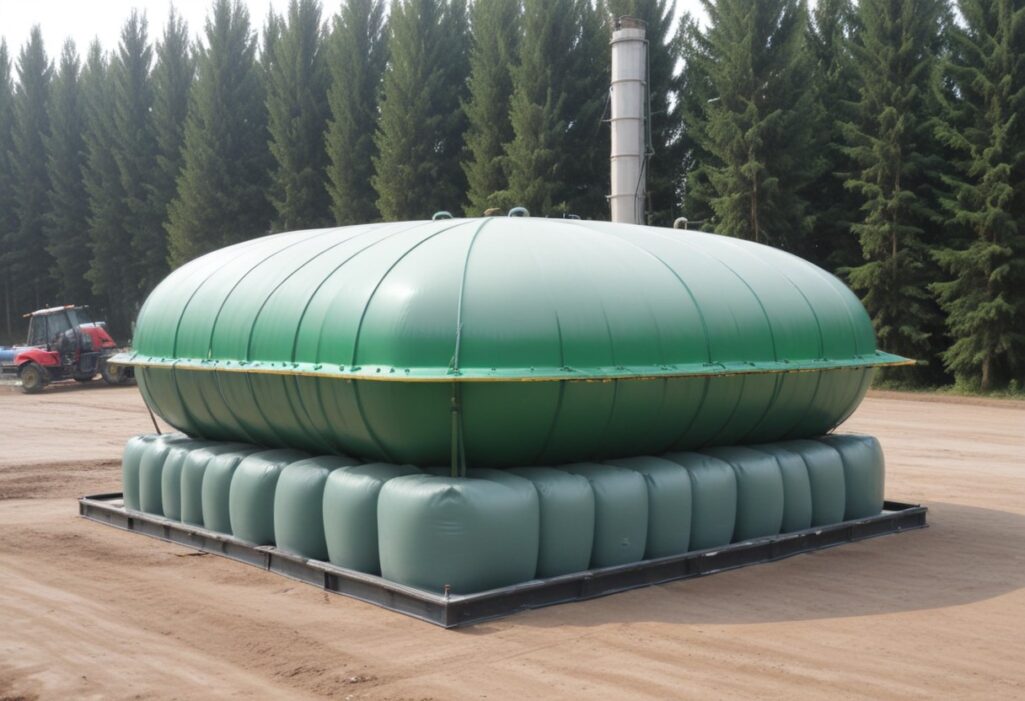
Choosing the Right liquid fertilizer tank is no easy task. You need to consider many factors, such as the material, capacity, and even the tank’s location. As for the material, it should be resistant to the corrosive substancesfound in fertilizers. The most commonly used tanks are flexible polyethylene tanks, which are an excellent material in terms of durability and high resistance to the substances in fertilizers that cause corrosion and damage to the tank material. In addition, the coating should be resistant to mechanical damage and UV radiation.
The tank capacity should be adjusted to the size of the crops and the fertilizer requirements. If the capacity is too small, you’ll have to refill it frequently, which can negatively impact work efficiency. Conversely, a tank that is too large may limit the ability to apply different types of fertilizers.
As for the tank’s location, it is important that it be placed in a spot that allows for easy delivery of fertilizers to the field. It should also be located away from water sources to prevent potential contamination in the event of a leak.
Benefits of Proper Use of Liquid Fertilizer Tanks
Just as important as choosing the right tank for liquid fertilizersis using it correctly. The primary benefit that results from this is increased crop yields. Thanks to liquid fertilizers, plants are able to absorb nutrients more quickly and in greater quantities, which directly translates into the quantity and quality of the harvest.
Modern polyethylene tanks used on farms enable the creation of appropriate storage conditions for substances such as nitrogen fertilizers or urea-ammonium nitrate solution. The high quality of the joints and welds ensures durability and leak-tightness, thereby ensuring the safe storage of substances that, due to their properties, could have a negative impact on groundwater.
Special tanks equipped with a ball valve mean savings. Proper use of the tank allows you to optimize fertilizer consumption based on your needs. Not only can we reduce fertilizer consumption, but we can also minimize the risk of over-fertilization, which can have harmful effects on plant growth.
When choosing a tank, we must keep in mind that some fertilizers have strong oxidizing properties. Traditional steel tanks, whose corrosion resistance does not guarantee long-term use without potential leaks or cracks, are not an ideal choice. Therefore, with environmental protection in mind, let’s use tanks for liquid fertilizers, which ensure that the substances stored in them will not leak into the environment. This, in turn, prevents potential contamination of the soil and groundwater.
How can liquid fertilizers be stored safely?
Safety is the foundation on which the storage of liquid fertilizers should be based. It is extremely important to to regularly inspect the condition of the tanks. Any damage or loss of substance should prompt a more thorough inspection of the fertilizer storage area.
Properly sealing the container is also crucial. The tank’s leak-tightness is a top priority; both the quality of the stored fertilizer and the safety of the entire farm may depend on it. Additionally, the tank should be secured, for example, with corrosion-resistant locks that prevent unauthorized persons from accessing its interior.
Another important aspect is proper ventilation of the liquid fertilizer storage area. This helps maintain proper pressure in polyethylene tanks and prevents the buildup of harmful gases that could negatively affect fertilizer quality and working conditions in the storage facility.
Modern Technologies in Liquid Fertilizer Management
Modern technologies are becoming the standard in liquid fertilizer management. Their use enables more efficient utilization of nutrients, which translates into higher yields and reduced environmental impact.
These include telemetry systems that allow for remotely monitor fertilizer levels in the tank. Such solutions make it possible to monitor fertilizer inventory in real time, which greatly simplifies farm management. These systems are also frequently used to plan fertilizer deliveries, which significantly streamlines this process.
Equally important is the use of modern technologies in fertilizer distribution. Direct application to the soil based on yield maps and soil analysis allows for the use of a precisely tailored fertilizer dose, which results in the optimal use of farm resources.
Proper use of liquid fertilizer tanks offers tremendous opportunities for farms. By prioritizing safety, conducting regular inspections, and embracing new technologies, we can fully harness their potential. So let’s keep these principles in mind so that liquid fertilizers bring the greatest possible benefits to our fields while also being safe for the environment.