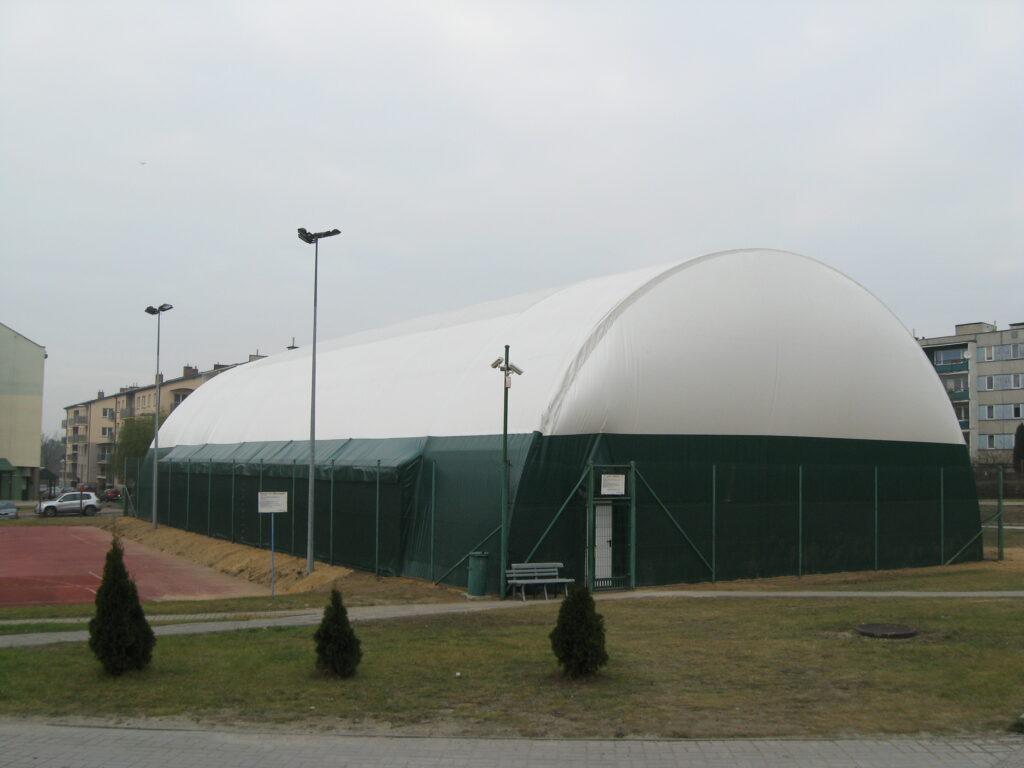

Building a private tennis court is a dream for many tennis enthusiasts. Having your own place to play not only provides comfort and convenience but also unlimited access to practice sessions. However, to make this dream a reality, you need to consider many issues related to both the construction of the court itself and its management. Here are a few key aspects worth considering when undertaking this project.
The Benefits of Owning a Tennis Court
Having your own tennis court is a luxury that comes with many benefits. Owning a private tennis court means you can play whenever you feel like it. You don’t have to worry about reservations, schedules, or availability at public courts. This is especially beneficial for people who have irregular work hours or want to practice at unusual times of the day or night.
As the court owner, you can customize its settings to suit your preferences. You can choose the type of surface, lighting, and other features that will enhance your playing experience. This ensures that the conditions are perfectly tailored to your needs. It’s also a great opportunity for socializing. You can invite friends, family, and neighbors to play together. Organizing tournaments or social gatherings on your own court is a great way to strengthen relationships.
Investing in a tennis court can significantly increase the value of your property. For potential future buyers, having your own tennis court can be an attractive feature. This is especially important if you live in regions where tennis is a popular sport.
Playing on a private court ensures a high level of privacy. This allows you to play in a relaxed atmosphere, without the presence of third parties. You can play at your own pace, which provides greater peace of mind and reduces the stress associated with the presence of other players.
Stages of Building a Tennis Court
The main stages of building a tennis court include selecting a suitable location, preparing the subgrade, installing a drainage system, and laying the appropriate surface. The court construction process requires precision and may consist of the following steps. It should be noted, however, that every project is unique, and the necessity of performing specific steps may vary. Below, we present a typical, model workflow.
- Site Survey: Determining the optimal location for building a tennis court.
- Site preparation: Make sure the ground is level and stable.
- Planning and Design:
- Selecting a location that is sheltered from the wind and free of obstacles.
- Preparing a detailed design that takes into account the standard court dimensions and additional space for safety zones.
- Site Preparation:
- Removal of vegetation and rocks.
- Excavation and grading of the site to prepare the area for the structural layers.
- Construction of the subbase:
- Laying a drainage layer of gravel or crushed stone.
- Laying a stabilizing layer of sand or other material.
- Installation of a polyurethane surface:
- Application of a primer to improve adhesion.
- Application of the main polyurethane layer, ensuring even distribution of the material.
- Adding surface texture to enhance playing comfort.
- Finishing:
- Application of lines and markings in accordance with standards.
- Installation of netting, posts, and fencing, if required.
- Quality control: Inspection and finishing of the surface to ensure optimal traction and flexibility.
At Grimar, we have extensive experience and a team of qualified professionals who are happy to advise you and help you choose the right components for the construction of your private tennis court. We can turn your requirements into a concrete design.