Composting green waste is a natural method of waste disposal that is gaining popularity. Modern composting facilities and bioreactors play a key role in this process, allowing organic waste to be transformed into valuable fertilizer. How do these advanced systems work? What are their advantages? And why are they so important for sustainable development?
What are modern composting facilities?
Modern composting facilities are technologically advanced plants that convert organic waste—such as grass, leaves, branches, and other green waste—into compost. Compost is a natural fertilizer that improves soil structure and its ability to retain water. Composting facilities play a key role in waste management by reducing the amount of waste sent to landfills and contributing to environmental protection.
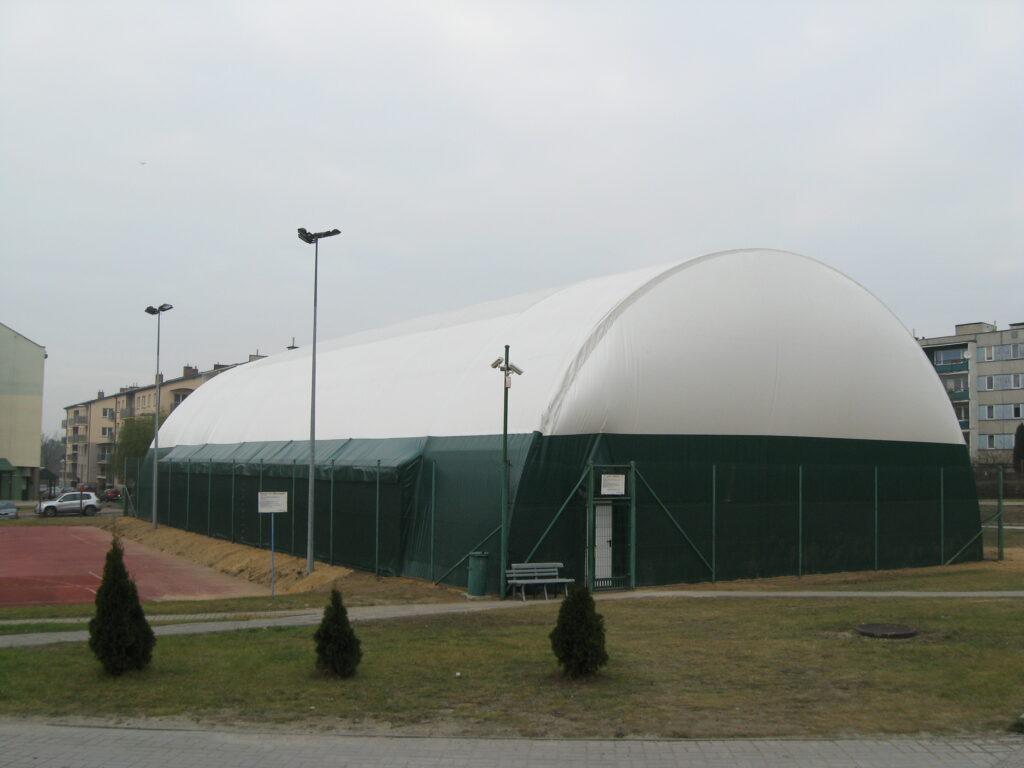
These types of structures typically consist of enclosed chambers with a tunnel-like design. Each chamber is equipped with systems to control temperature, humidity, and aeration. Tunnel-type chambers are designed to provide optimal conditions for the biodegradation of organic waste by microorganisms.
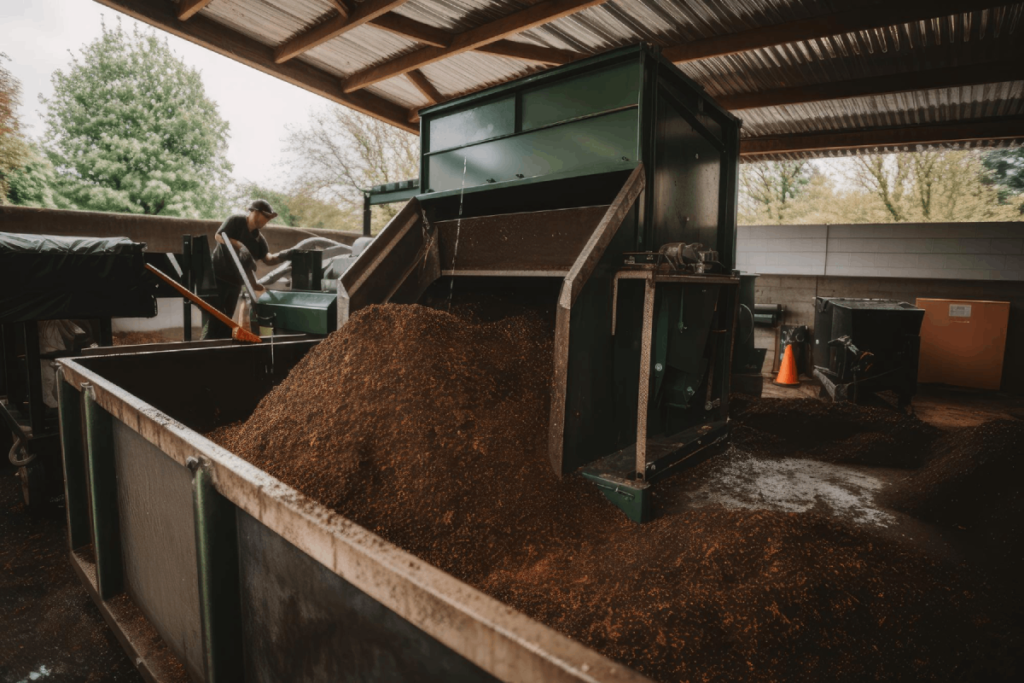
Composting itself is the process of biodegradation of organic waste by microorganisms in the presence of oxygen. This process consists of several stages: shredding the waste, mixing, aeration, and moistening. In modern composting facilities, this process is monitored and controlled, which allows for the production of high-quality compost in a shorter amount of time.
Types of Composting Facilities
Composting facilities can be divided into several types depending on the technology and scale of operation. The most common types include tunnel composters and bioreactors. Tunnel composting facilities can be large-scale operations serving, for example, farms, businesses, or municipalities. Bioreactors, on the other hand, are specialized devices used in composting facilities that accelerate the biodegradation of organic waste.
Bioreactors control the entire composting process by monitoring parameters such as temperature, moisture, and oxygen supply, which allows for the creation of optimal conditions for microorganisms. Thanks to bioreactors, the composting process can take as little as a few weeks, compared to several months using traditional methods.
Among the solutions for modern composting facilities, there are also composting bins—that is, enclosed, ventilated containers in which the entire process takes place. They are designed to provide suitable conditions for microorganisms and minimize the emission of unpleasant odors. These bins are often used in small composting facilities or as part of larger composting systems.
Composting bins—an effective solution for small and medium-sized systems
Composting bins are enclosed, ventilated containers that allow for the effective composting of green waste under controlled conditions. They are ideal for smaller systems and in locations where minimizing odors and saving space are important. They help shorten the composting time and improve the quality of the resulting organic fertilizer.
How do modern composting facilities work?
Tunnel composting facilities consist of enclosed chambers with a tunnel-like structure and a special roof. Each chamber is equipped with systems to control temperature, humidity, and aeration. The tunnel chambers are designed to provide optimal conditions for the biodegradation of organic waste.
The composting process in tunnel composting facilities begins with the loading of organic waste into the tunnels. The material is evenly distributed inside the chamber, ensuring uniform composting conditions. The waste can be shredded before loading, which increases its surface area and accelerates the decomposition process.
Composting in tunnels occurs in several stages. In the initial phase, known as the mesophilic phase, microorganisms break down readily available organic compounds, which leads to a rise in temperature. The material then enters the thermophilic phase, during which higher temperatures (approximately 55–65°C) enable the breakdown of more complex compounds, such as lignin and cellulose. The high temperature also helps eliminate pathogens and weed seeds. Once the thermophilic phase is complete, the temperature drops, and the compost enters the maturation phase.
Once the intensive composting process is complete, the compost is unloaded from the tunnels and transferred to the maturation zone. At this stage, the compost continues to be monitored to ensure it stabilizes and reaches the appropriate level of maturity. The maturation process can take anywhere from a few weeks to several months, depending on the type of organic material and the conditions.
Advantages of Modern Composting Facilities
Modern composting facilities help reduce the amount of waste sent to landfills, which in turn reduces emissions of greenhouse gases such as methane. In addition, composting green waste allows for the recovery of valuable nutrients, which are returned to the soil in the form of compost.
Composting facilities can generate economic benefits by producing and selling compost as a natural fertilizer. In addition, reducing the amount of waste sent to landfills lowers disposal costs. Large composting facilities can also create jobs, particularly in local communities.
Importantly, thanks to advanced technologies such as bioreactors and composting bins, the composting process is becoming more efficient. Modern composting facilities can process larger volumes of waste in less time, which increases their efficiency and capacity to manage organic waste.
In summary, composting green waste plays an extremely important role in organic waste management. Thanks to advanced technologies, such as bioreactors and composting bins, the biodegradation process is becoming more efficient and effective.
Composting green waste offers numerous environmental and economic benefits, contributing to sustainable development and environmental protection. In cities, agriculture, and businesses, modern composting facilities are therefore an invaluable tool for waste management and the production of high-quality compost.