It would not be possible to quickly cover a specific area or erect a stable structure for commercial or industrial purposes if it weren’t for tarpaulin sheds. This is one of the best structural solutions, appreciated by a wide range of both businesses and individuals.
Advantages of Tarpaulin Sheds
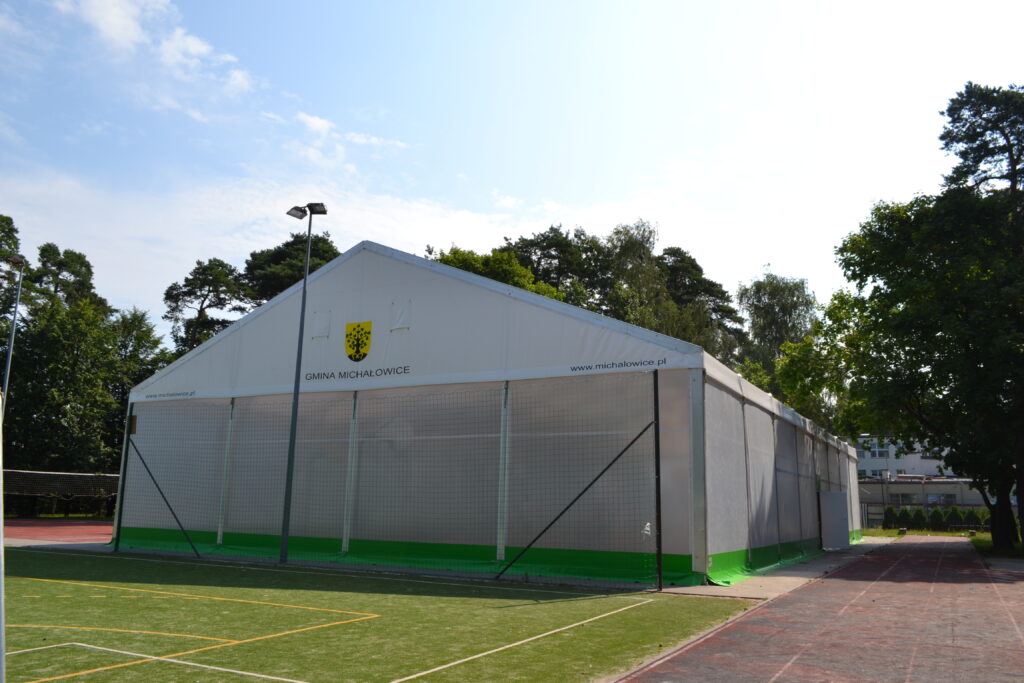
The greatest advantages of tarpaulin halls are their extremely short setup time, their durability, and their wide range of applications. They are well-suited for strictly business or manufacturing purposes, as well as for use as complexes designed for special events. They are equally well-suited to serving as covers for sports and recreational facilities. Thus, we find tarpaulin halls in the following forms:
- event halls

- sports arenas
- warehouse halls
- manufacturing facilities
- retail pavilions
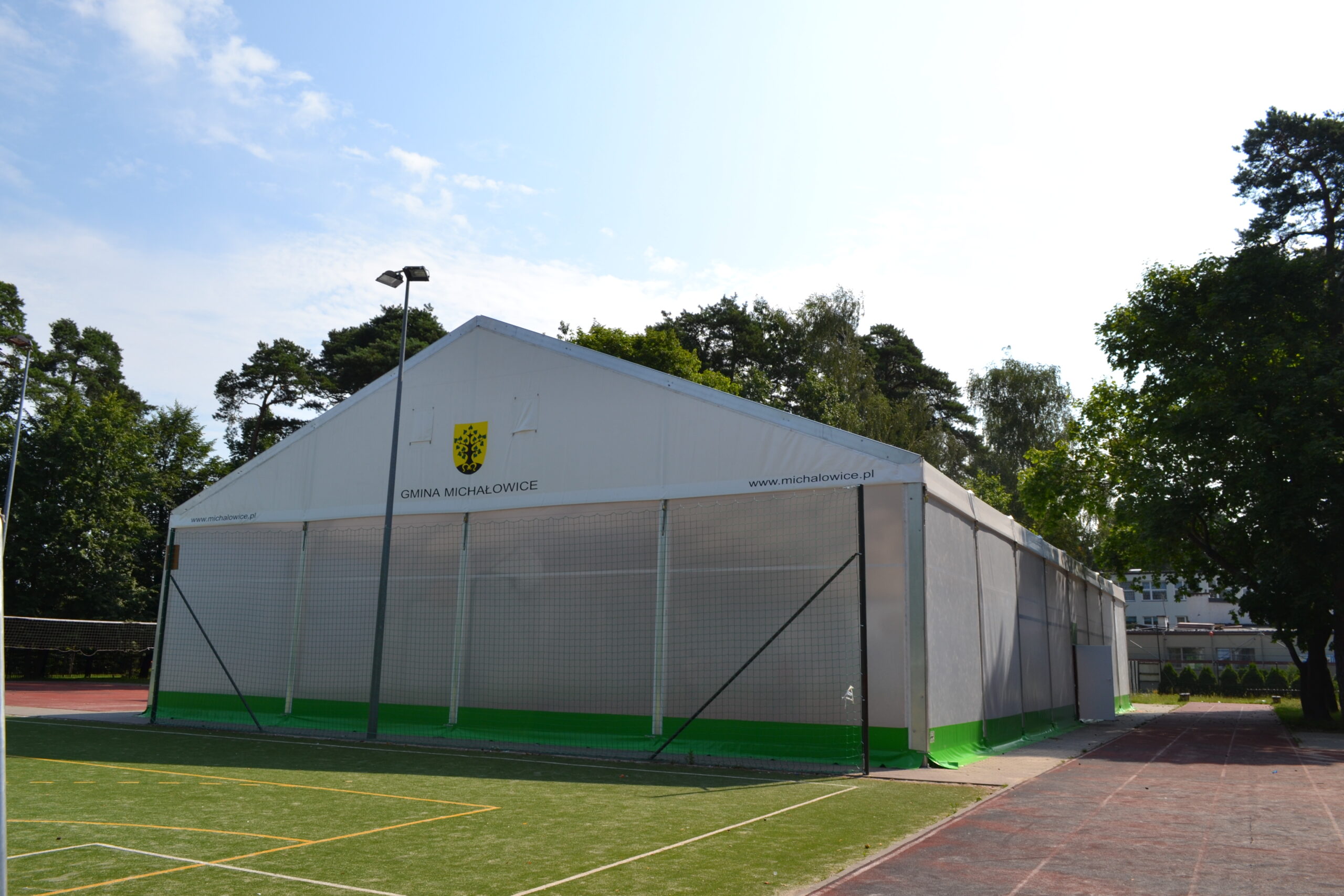
They’re also ideal as year-round riding arenas at horse farms, as well as covers for home swimming pools or private tennis courts.
How are tarpaulin-covered structures erected?
The lightweight aluminum or steel frame of tarpaulin halls allows them to be built virtually anywhere they are needed. They can be portable or permanently installed. They typically have a gable roof, and the hall’s covering is made of PVC. PVC materials that allow sunlight to pass through are also available. A range of additional equipment can be installed in the halls, such as:
- side roll-up shutters
- lighting
- heating
Professional tarpaulin-covered structures are characterized by a sturdy design that meets all building codes—including wind and snow load standards. As a result, they are completely safe and work exceptionally well both as permanent structures and as temporary facilities.
Agricultural Tarpaulin Sheds
Farmers are increasingly choosing modern tarpaulin-covered agricultural sheds over traditional farm buildings. This solution is extremely practical and offers a wide range of applications, as it can replace almost any type of building. Tarpaulin-covered sheds work well as:
- tent-style straw storage shed
- cowsheds
- barns
- aggregate storage
- composting facilities and bioreactors (for example, arched structures are an excellent way to provide a roof over biological organic waste treatment facilities)
Seasonal and Year-Round Tarpaulin Sheds
As mentioned above, tarpaulin sheds can be either permanent or portable; their mobile design allows them to serve as both year-round and seasonal structures. If necessary, a tarpaulin shed can be easily dismantled and transported to a completely different location. This solution works particularly well in agriculture, as it allows for the relatively simple relocation of the structure from one place to another—giving farmers great flexibility in terms of land use.
Tarpaulin Hall—What Is It Made Of?
Tarpaulin sheds typically consist of a load-bearing structure made of special structural sections and a roof covering—that is, a PVC tarpaulin—which is attached to the structure using special hooks, Velcro, or zippers.
Tarpaulin Hall Structure
Most often, these structures are made of galvanized steel or stainless steel (aluminum is used primarily for lightweight tent-style structures). Galvanized screws or stainless steel tension rods are used to erect such a structure. The process of erecting a tarpaulin hall is not difficult in itself, although it all depends on the type of hall and the intended use of the facility—and thus on the complexity of the hall’s design. For example, if it is a feedlot barn, it will be necessary to properly prepare the foundations and install the other systems required for the barn to function correctly.
Roof sheathing
The cladding for tarpaulin halls is typically made of high-quality tarpaulin material (PVC tarpaulin) with a weight of 650 g/m², characterized by its flame-retardant properties. It can be a single-layer or double-layer membrane. Tarpaulin halls can also take the form of hybrid structures —for example, a year-round hall may be partially constructed of trapezoidal sheet metal, sandwich panels, or masonry, with tarpaulin serving as the cladding. This solution provides good thermal insulation, which proves effective during the winter months. The selection of appropriate materials is tailored to individual needs.
Stages of Tarpaulin Hall Construction
The stages of constructing a tarpaulin-covered hall are similar to those involved in erecting other structures based on a steel load-bearing frame. The first stage involves a site visit and technical audit, which allow the design of the tarpaulin-covered hall to be adapted to the site conditions. Tarpaulin-covered halls are available in two basic variants:
- a hall made of prefabricated components
- a hall built to individual specifications
Prefabricated warehouses are structures with standard dimensions that are very often available practically immediately. Custom-designed buildings are generally structures with more specific designs that require tailored solutions, whether inside the building or regarding additional equipment and other parameters.
After selecting a specific type of building or developing a custom design, the site is prepared for the building. This may involve earthwork of varying complexity, including leveling the ground and, if necessary, constructing the appropriate foundations and utilities.
Next comes assembly, which involves erecting the steel structure and securing it to the ground (or foundation). The next step is to install the tarpaulin and equip the facility with any additional systems as needed. Of course, the completed hall undergoes a quality inspection. It’s also worth noting that seasonal tarpaulin-covered structures (erected for 180 days) can be built by filing a notification—there’s no need to obtain a building permit.
Tent-style tarpaulin hall (gable roof) and arched hall
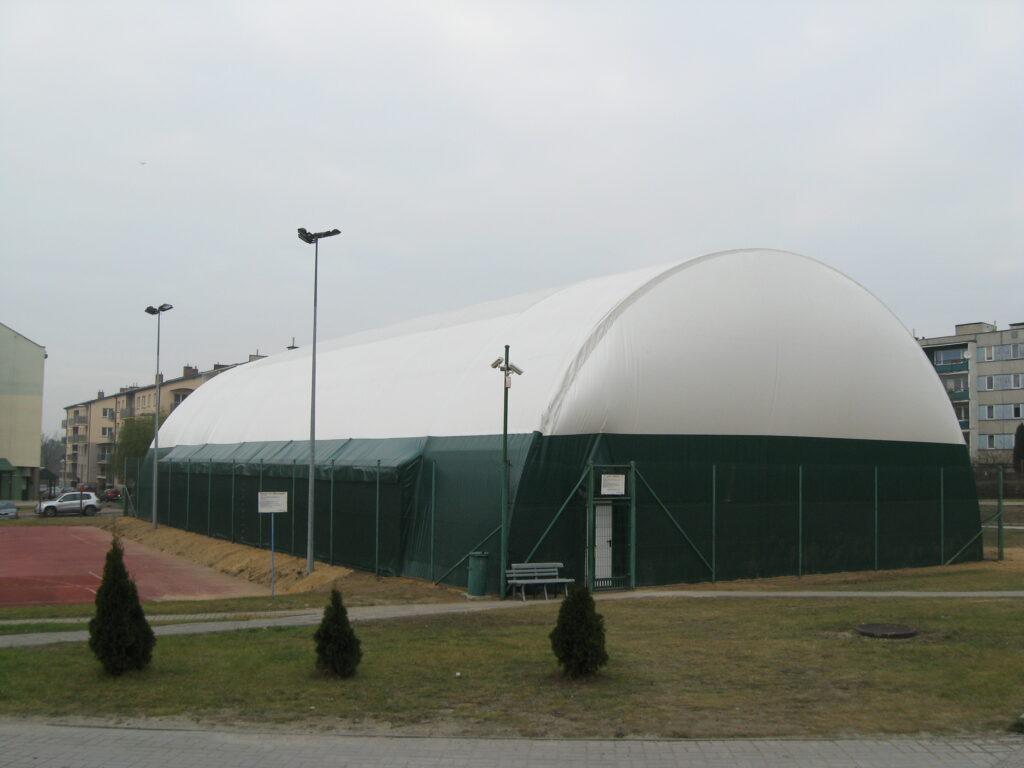
It is worth noting that tarpaulin-covered halls can take the form of a gable-roofed tent hall with a traditional cross-section and straight side walls, or an arched hall. Arched structures have the advantage of allowing for more efficient use of available space —they do not have any additional load-bearing structures that would limit the usable space.
Tarpaulin tent structures guarantee functionality and affordability. A new tent structure is usually set up very quickly, without unnecessary red tape or lengthy preparations,
You can find more information about tarpaulin tents on our website, Grimar —a manufacturer of tent structures with a wide range of applications.