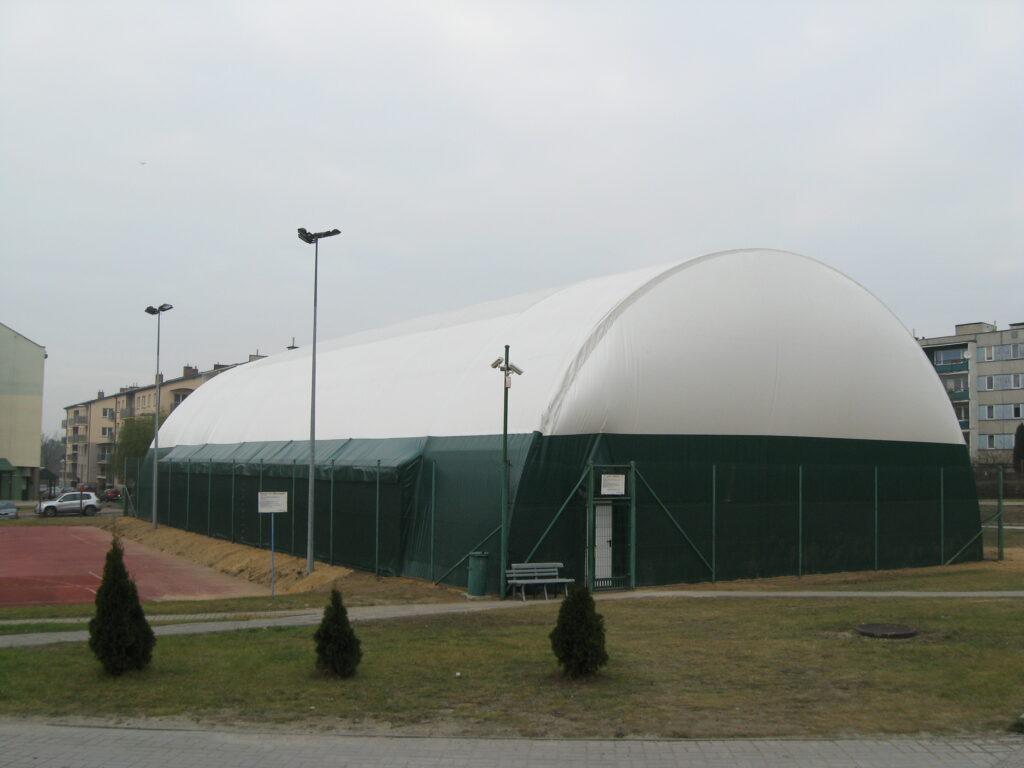
Livestock buildings are a key part of the agricultural infrastructure, enabling the raising and care of farm animals. They are designed not only to ensure the animals’ safety but also to provide optimal conditions for their growth, development, and productivity. The design, location, and construction of such facilities require specialized knowledge and must take into account both legal considerations and the principles of good animal welfare.
Location of livestock buildings
So where can livestock buildings be constructed? According to building code regulations, the decision regarding the location of such structures must take a number of factors into account. First and foremost, it is important that the land on which construction is planned be classified as agricultural land or development land designated for such purposes. In addition, it is important to maintain an appropriate distance from residential areas—both to ensure the comfort and health of the people living there and for sanitary and epidemiological reasons.
The next step is to analyze the zoning plan, which may specify particular requirements regarding the location of livestock facilities. It is also important to consult with the relevant municipal and county authorities, which may have their own regulations or recommendations in this regard. Verifying local conditions is essential to ensure that the planned project does not conflict with existing infrastructure or future land-use plans.
Requirements That Livestock Buildings Must Meet
For livestock buildings to be functional and safe for animals, they must meet certain conditions. First, they must provide appropriate microclimatic conditions —temperature, humidity, ventilation, and lighting suitable for the species and age of the animals being raised. This is essential for maintaining their health and preventing disease.
In addition, livestock buildings must be designed to allow easy access to the animals for veterinary care, feeding, and daily supervision. Workplace ergonomics are extremely important for the people who operate these facilities, as they directly impact the efficiency and effectiveness of the work performed, as well as the safety of both employees and animals.
It is also necessary to use appropriate building materials and construction technologies. Proper finishing of floors and walls, as well as the use of durable structures that are safe for animals, contributes to the building’s durability and minimizes the risk of accidents. Materials should be easy to clean and disinfect, which is crucial for preventing the spread of disease.
Legal Standards Governing the Construction of Livestock Buildings
The construction of livestock buildings must comply with building codes and standards specific to this type of facility. The primary regulations that apply here concern the technical requirements that buildings must meet and their location. Environmental protection regulations are also important; these specify, among other things, waste management systems, wastewater management, and gas emissions.
In addition, animal welfare standards are important. These regulations pertain to the dimensions of the facilities, their equipment, and other factors affecting the animals’ lives. When selecting designs and materials, attention should be paid to their impact on health while ensuring the facility’s high functionality.
Livestock Buildings—Key Elements in Animal Husbandry and Farming
Livestock buildings form the foundation of modern farms, providing optimal conditions for animals and enabling effective livestock management. Below, we will focus on three key types of livestock buildings: barns, stables, and riding arenas, as well as roofing for livestock facilities, tunnel composters, sealed CompoBox-type roofing, flexible water and fertilizer tanks, liquid storage, arched straw sheds, and storage halls.
Cattle barns, stables, riding arenas—animal comfort and work efficiency
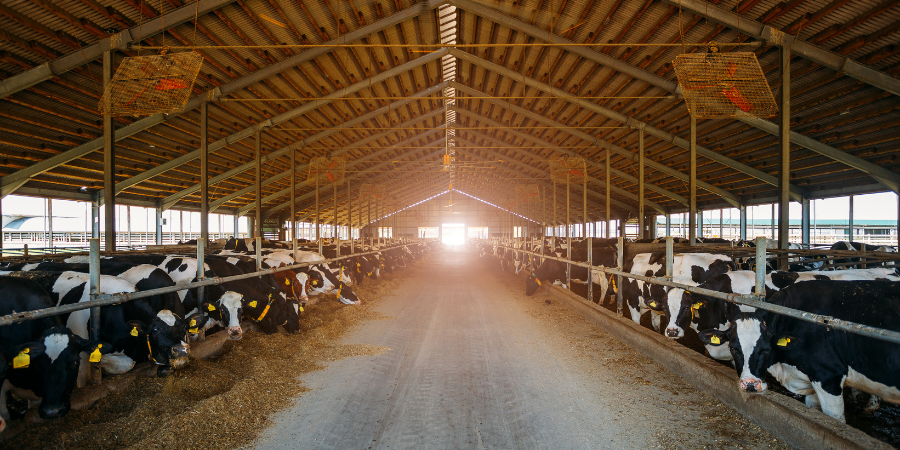
Cattle barns are an integral part of any cattle farm. It is essential that they be spacious, well-ventilated, and easily accessible to the animals. Proper lighting and ergonomic design features that facilitate handling ensure comfort for both the animals and the farmer.
Stables are essential in horse breeding and require a special approach to design. Stables should not only ensure the safety and comfort of the horses, but also provide easy access to feed, water, and a place to rest.
Indoor riding arenas are essential for breeding sport horses. Their proper location and design ensure safe and professional conditions for training and exercise.
Roofing for Animal Husbandry Facilities—Protection Against the Elements
Roofing for livestock facilities is a key element of animal care. Safe and durable structures provide protection from rain, wind, and sun, while maintaining adequate ventilation.
Tunnel Composters—An Eco-Friendly Solution for the Farm
Tunnel composters represent an innovative approach to organic waste disposal. Located inside tunnels, they provide optimal conditions for the rapid decomposition of organic materials, which translates into environmentally friendly and efficient waste management on the farm.
CompoBox is a weatherproof shelter designed for the safe storage of fertilizers. Its design protects fertilizers from moisture and other weather conditions, which helps preserve their shelf life and effectiveness.
Flexible Tanks for Water and Fertilizers: Efficient Resource Management
Flexible tanks are a practical solution for storing water and fertilizers. Thanks to their flexible materials, they are easy to move and adapt to the changing needs of livestock operations.
The storage of liquids is a key aspect of managing chemicals and fertilizers. Appropriate fire safety measures and safety standards are absolutely essential.
Arched straw sheds and storage sheds: effective crop storage
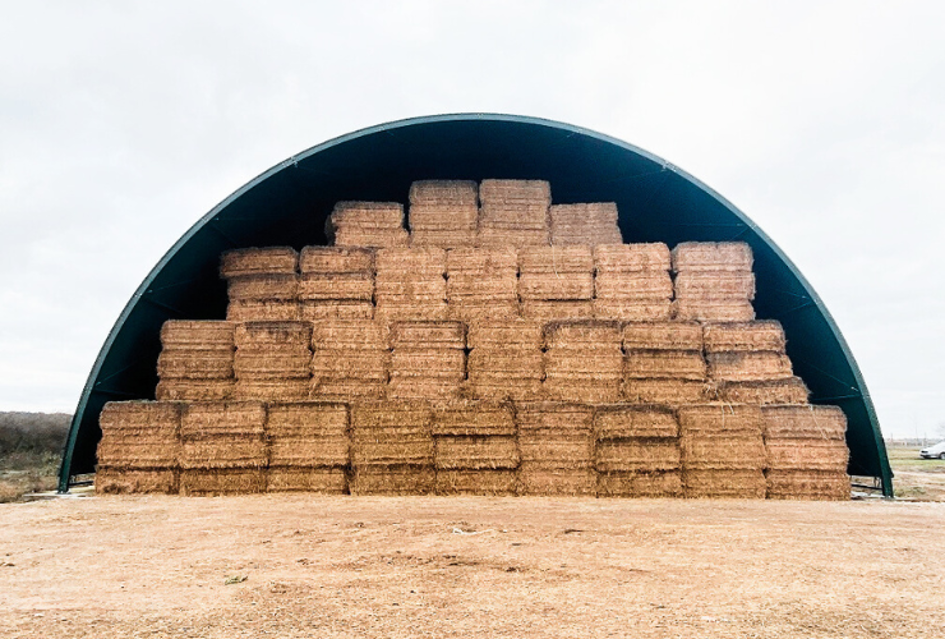
Arched and warehouse structures are essential for storing agricultural crops. Their construction must be sturdy, weather-resistant, and provide easy access to the stored materials.
In summary, livestock buildings are specialized infrastructure that requires careful planning and construction in accordance with applicable laws and animal welfare standards. Appropriate conditions, thoughtful location, solid construction, and the use of innovative solutions are key to achieving sustainable development in the field of animal husbandry. The introduction of modern technologies and eco-friendly solutions in the construction of livestock facilities is essential for progress in agriculture.