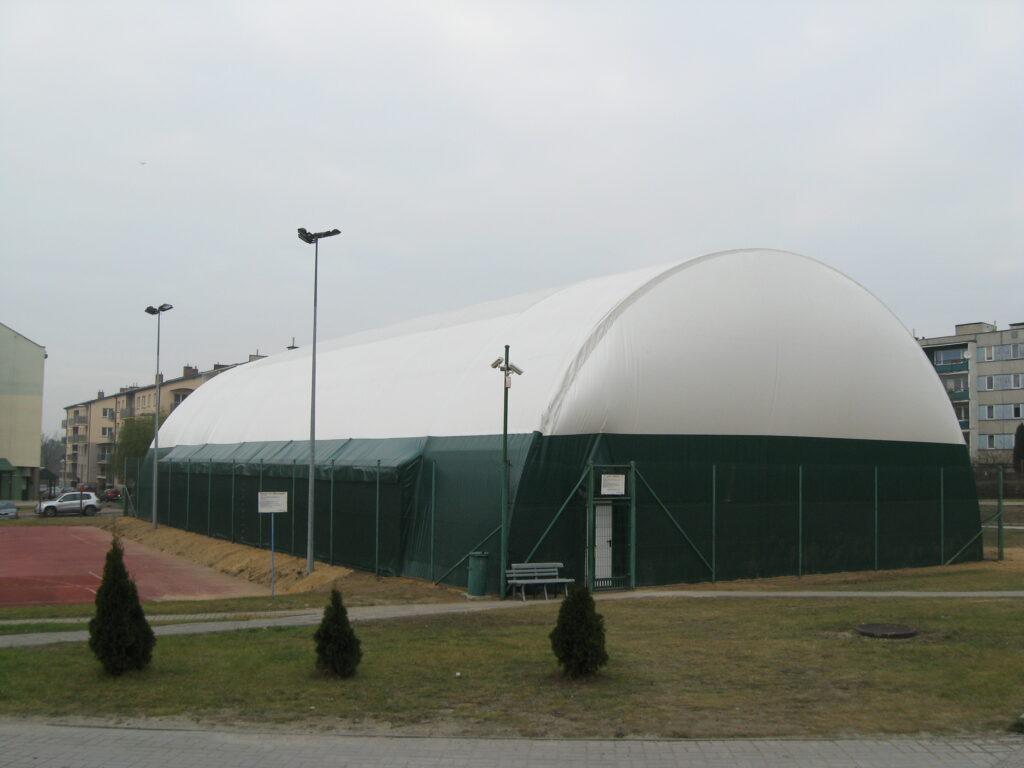
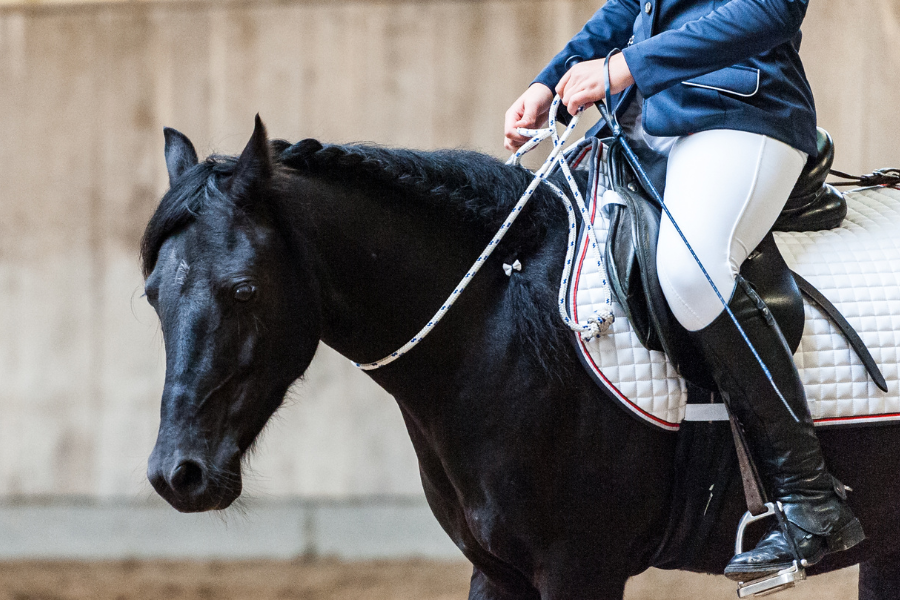
An indoor riding arena is a specially designed, enclosed sports facility where equestrian training, various exercises, and equestrian competitions can be held regardless of weather conditions. Thanks to its roof and walls, an indoor riding arena protects people and animals from rain, wind, sun, and snow, allowing for year-round use. What does the construction of this type of facility look like?
An Indoor, Year-Round Riding Arena
A covered riding arena is an essential part of equestrian infrastructure that should be found at every good horse farm. It allows horseback riding enthusiasts to train and hold competitions regardless of the weather, which is particularly important in climates where weather conditions can often make it difficult to use open riding arenas. Thus, indoor riding arenas enable riders to conduct daily training year-round, regardless of the weather.
Technical specifications of a horse arena
The construction of any facility requires a preliminary design that specifies the exact technical requirements. In the case of horse riding arenas, the key features are the absence of internal supports and the arena’s surface. The dimensions of a horse riding arena depend on its intended use, the equestrian discipline, and the needs of its users. The most common dimensions for horse riding arenas are:
- Small riding arena (20 x 40 meters) – suitable for recreational use, basic training, and riding lessons. These types of riding arenas are often used at riding schools or private equestrian facilities.
- Standard riding arena (20 x 60 meters) – this is the size used in international dressage competitions. An arena of this size is suitable for more advanced training and for hosting smaller competitions.
- Large arena (30 x 70 meters or larger) —used primarily at professional equestrian centers, where larger competitions, show jumping training, and multi-discipline training take place.
Equestrian arenas are typically about 4.5 meters high. The shape of a riding arena is usually rectangular, which makes it easy to mark out lines and reference points and to perform exercises involving precise horse handling. However, depending on local needs and conditions, the shape of the riding arena may also be irregular, such as one adapted to the existing terrain.
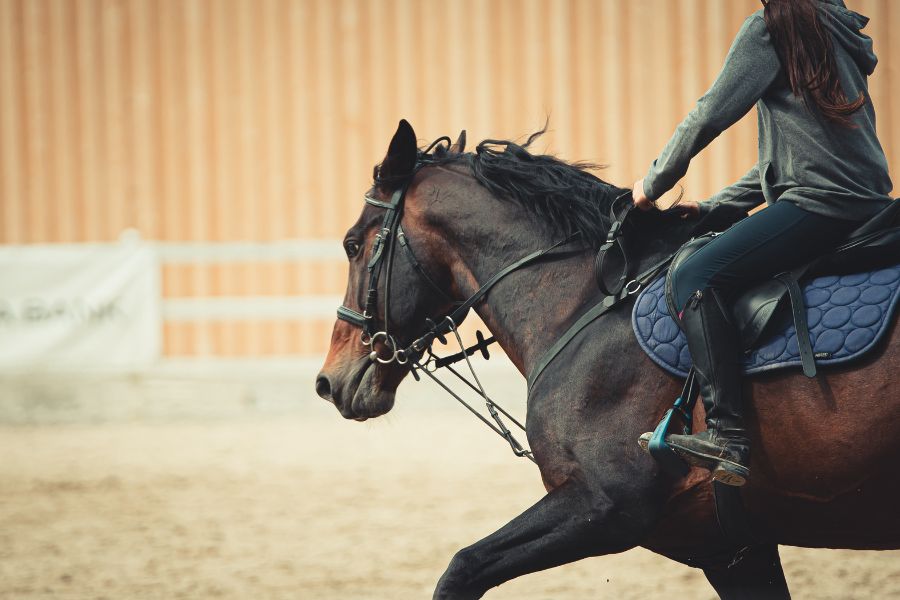
What does the construction of a horse riding arena using tent technology look like?
Every investor and horse breeder who wants to offer indoor riding arenas and decides to erect a tent structure as a roof for the arena should know how the entire process of erecting this type of facility works and when this solution is the best choice. Building a horse riding arena using tent technology involves creating a lightweight and flexible structure that can be easily dismantled and moved if necessary. A tent-style riding arena can also be a good solution for those looking for a cost-effective and quick roofing option. Below, we outline the basic steps involved in building a tent-style riding arena:
Site preparation —selecting an appropriate location and preparing the site for the construction of a riding arena. Make sure the ground is stable, level, and well-drained to avoid problems with the surface and the maintenance of the structure.
Choosing a tent structure and designing the arena —there are various types of tent structures available on the market that can be used to build a riding arena. Halls can be purchased ready-made if they are standard sizes or custom-designed. Structures made of aluminum profiles or steel, with arched or traditional cross-sections, are used; they are lightweight, durable, and weather-resistant.
Assembly of the structure – The designed year-round hall must be assembled in accordance with the manufacturer’s instructions. The structure should be sturdy, stable, and adequately protected against wind, snow, and other loads.
Roofing Installation – The roofing for a tented riding arena is typically made of a durable material, such as PVC tarpaulin, which is waterproof, UV-resistant, and resistant to mechanical damage. The covering must be properly stretched and secured to the structure to ensure it is watertight and durable.
Installation of side walls – depending on needs and requirements, a tented riding arena can be equipped with side walls that provide additional protection against wind, rain, or snow. The walls can be made of the same material as the roof covering or of other materials, such as mesh, sandwich panels, or sheet metal.
Preparing the Surface – After the structure has been built and the covering installed, the appropriate surface for the riding arena must be prepared. This can be sand, a mixture of sand with fibers, rubber, or other special additives. The surface should be soft, elastic, and stable to ensure optimal conditions for working with horses.
Lighting and Ventilation Installation – For an indoor tent riding arena, it is important to ensure proper lighting and ventilation conditions. Depending on your needs and the size of the structure, you can use various LED lighting systems, which are energy-efficient and provide even light distribution. Ventilation can be natural (through vents, windows, or gates) or mechanical (using fans).
Installation of fences and other equipment —to separate the riding arena from the surrounding area and make it easier to control the horses, it’s a good idea to install interior fences, gates, or bleachers inside the arena. These can be made of wood, metal, or plastic. You can also add other equipment, such as jumping obstacles or exercise accessories.
Conduct a safety inspection —check the structural stability, the fastenings of the roofing, the condition of the surface, and the operation of the lighting and ventilation systems.
Of course tent structures are ideal for covering existing infrastructure. They can be successfully combined with horse stables, feed storage, or restroom facilities. Thus, building a horse riding arena using tent technology is an extremely advantageous solution for those seeking a quick, economical, and flexible roofing option. These types of structures are becoming increasingly popular due to their numerous advantages, such as ease of assembly and disassembly, low costs, and the possibility of relocating them if necessary.
Do you need a covered riding arena?
Do you want to ensure year-round horseback riding? We are a manufacturer of indoor riding arenas, and thanks to our many years of experience in building high-quality roofing systems for sports facilities —including riding arenas—we offer design, manufacturing, and installation of year-round riding arenas! Contact us!