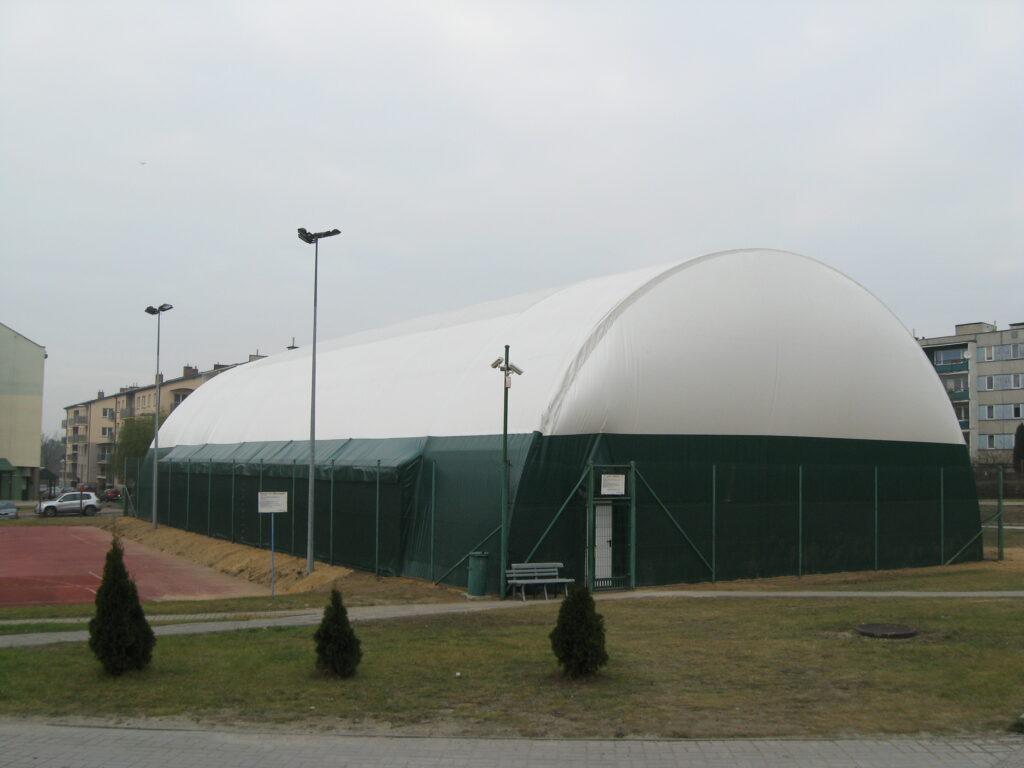
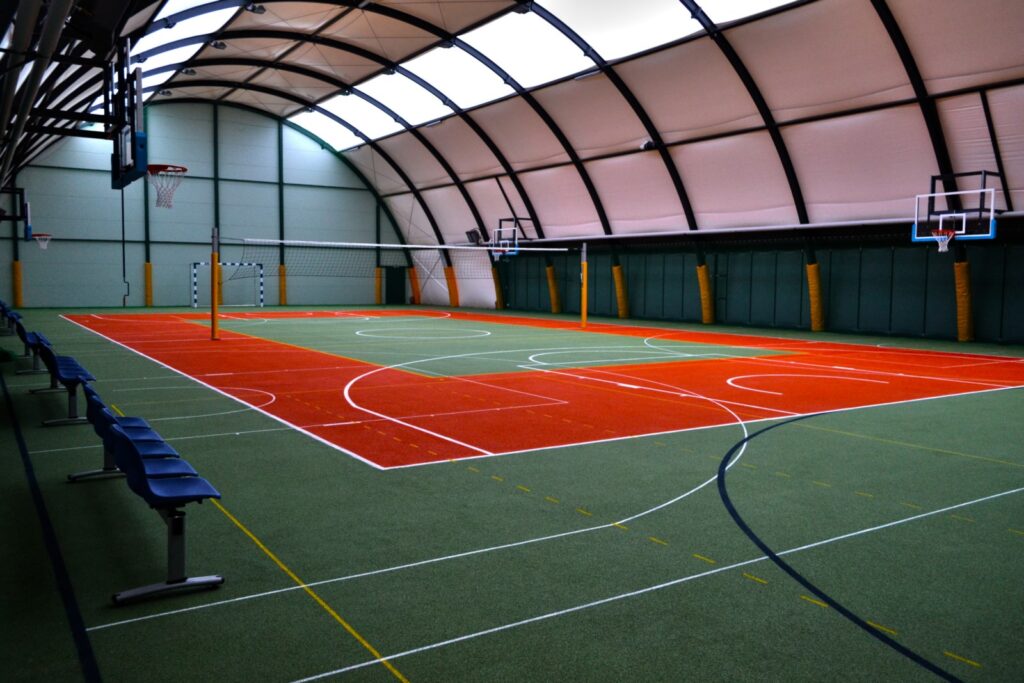
Lightweight industrial buildings are steel structures that successfully replace traditional industrial and farm buildings. Increasingly, instead of building masonry structures, investors are opting to erect light-gauge steel buildings. This choice is driven not only by the significantly lower overall cost of the project but also by the rapid assembly of such structures and the ease of their maintenance and operation.
A professionally designed lightweight hall is just as stable as a masonry building, yet it is extremely easy to add new sections to it or to reduce or expand its size. It is also worth noting that lightweight steel or aluminum halls do not require deep foundations; for medium-sized structures on stable ground, foundations are not needed at all.
Advantages of Lightweight Structures
A major advantage of lightweight structures is that they can be quickly assembled, disassembled, and transported to a new location. For this reason, they are very popular for industrial facilities located on leased land. If the lease expires, the hall can be easily dismantled and moved to a new location.
Lightweight Hall – Type of Roofing and Installation Time
All lightweight steel or aluminum structures can be covered with PVC tarps or sheet metal. The investor decides which option is best for them. Steel structures covered with sheet metal are most commonly used in industrial and manufacturing applications. In contrast, a lightweight hall covered with a tarp is particularly well-suited for covering sports and recreational facilities, retail pavilions, and agricultural buildings.
The time required to assemble the hall depends on:
- its size (the larger it is, the longer construction takes)
- the type of design (the simpler the structure, the shorter the construction period)
- construction technology (modular buildings or custom-built structures)
- the topography of the site (earthwork is necessary on uneven ground)
It can take anywhere from a few days to a few months. The exact duration of the hall’s construction also depends on administrative procedures, such as filing a construction permit application with the relevant authorities or preparing the hall’s design, if the hall is being custom-designed for a specific client.
You can find detailed information on our Grimar website.